The benefits of cooking with children
Cooking is one of the richest ways young children learn. We look at the skills it builds and share simple ideas you can try together at home.
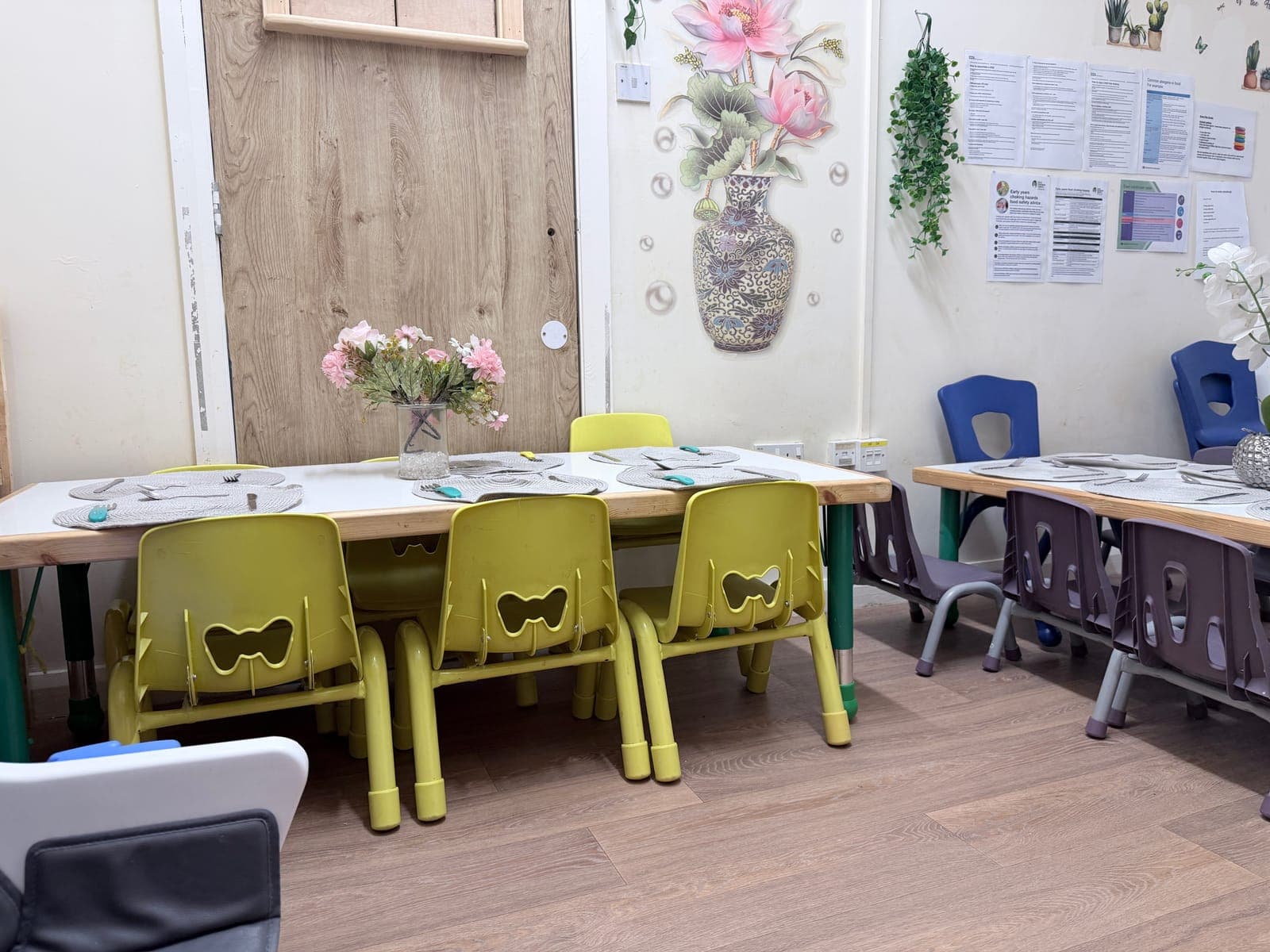
Food and cooking are woven through everyday life at Busy Bugs. Our Cooking with Noreen sessions are a real highlight of the week, the children make pizzas together every Friday, and much of what we cook starts as seeds in our own garden. There is a good reason we give cooking such a central place. Beyond being great fun, preparing food is one of the richest learning activities there is for young children, and it touches almost every area of early development.
Cooking is wonderful for building physical skills. Stirring a bowl, pouring from a jug, kneading dough, spreading with a knife, and peeling a satsuma all strengthen the small muscles in the hands and fingers. That same hand strength and control is exactly what children need later for holding a pencil and learning to write. Without realising it, a child mixing a cake is doing valuable groundwork for the classroom.
There is plenty of early maths hidden in a recipe, too. Counting out ingredients, weighing and measuring, comparing more and less or full and empty, and following the steps of a method in the right order all help children make sense of numbers and sequences. Because it is hands on and leads to something tasty at the end, this kind of maths feels like play rather than work.
Cooking is brilliant for language and communication as well. Naming ingredients and equipment, listening to and following simple instructions, and describing how things look, smell, feel, and taste all build vocabulary in a natural way. New words like whisk, simmer, crunchy, and sticky come alive when a child is holding the ingredient in their hands, and there is always something to talk about.
One of the benefits parents notice most is around healthy eating. Children who help to prepare food are far more likely to be curious about it and to give it a try, including vegetables they might otherwise push to the side of the plate. When they have grown the vegetables in the garden, washed them, and helped to cook them, tasting the finished dish feels like the natural next step. Cooking is one of the gentlest ways to encourage a varied, balanced diet.
There is an emotional side to all this as well. Finishing a recipe gives children a real sense of achievement and pride, especially when they get to share what they have made. Working alongside others teaches patience, turn taking, and teamwork, and being trusted with a real task helps to build the kind of quiet confidence and independence that carries over into everything else they do.
Cooking together at home does not need to be elaborate or stressful. Simple activities work best with young children, such as threading fruit onto a skewer, decorating a wrap or a cracker, mixing and mashing, washing vegetables, or helping with easy baking. Let your child do the parts they can manage, expect a bit of mess, and try to focus on the experience rather than a perfect result. The chat and the time together matter far more than how neat the finished plate looks.
A few simple habits keep it safe and enjoyable. Always wash hands before you start, keep your child away from hot pans, sharp knives, and the oven, and choose tasks that suit their age, like stirring, sprinkling, and pouring. With a watchful eye and a little patience, even very young children can join in and feel like a proper part of the kitchen.
If you would like to see this in action, our Cooking with Noreen sessions are a lovely way for families to cook and learn together, and spaces do fill up quickly. To find out more or to ask about joining, have a word with a member of the team or get in touch through our contact page.
Interested in Busy Bugs?
Come and see us in person. We love showing families around the nursery.
Get in Touch