SEN Support and EHCPs explained: a guide for Stoke parents
Confused by SEN Support, EHCPs and the Local Offer? A plain English guide to how early years SEN support works and what the timescales actually are.
The language around special educational needs is genuinely baffling when you first meet it. SEN Support, EHCPs, the graduated approach, the Local Offer, needs assessments. Parents arrive at our door having been handed several of these terms in a single conversation with no explanation of how they fit together.
Here is the plain English version, and where nursery sits in it.
Most support does not need a plan at all
This is the single most useful thing to understand. The great majority of children who need extra help in the early years get it through something called SEN Support, and that happens at nursery level without any formal plan, assessment or paperwork from the council.
SEN Support simply means the setting identifies that your child needs something different or additional to what is generally on offer, and then provides it. That might be a communication approach, a sensory strategy, smaller group work, a visual timetable, or a change to the environment. It does not require a diagnosis, and it should not require you to fight for it.
If a nursery tells you they cannot do anything until your child has a diagnosis or a plan, that is not how the system is meant to work.
The graduated approach, in normal words
You may hear staff refer to a graduated approach or a four part cycle. It is less complicated than it sounds. It means:
- Working out what your child actually needs, by observing and by talking to you.
- Agreeing what will be tried and what you are hoping to see.
- Doing it consistently for long enough to be a fair test.
- Reviewing honestly whether it worked, then adjusting and going round again.
The important part is that it repeats. Support is not decided once and left. If something is not working after a proper attempt, it should change.
What the SENCO does
Your child's key person is the one who knows them day to day. The setting's SENCO is the person who coordinates additional support, keeps the cycle above moving, and joins things up with outside professionals like speech and language therapists, health visitors or paediatricians.
In practice the SENCO is who you talk to about the bigger picture, and your key person is who you talk to about today. You should have easy access to both.
When an EHC plan comes into it
An Education, Health and Care plan, or EHCP, is a legal document for children whose needs cannot reasonably be met through SEN Support alone. It sets out the child's needs, the outcomes being worked towards, and the provision that must be put in place. Because it is legally binding, it carries weight that ordinary support does not.
Anyone who believes an assessment may be necessary can request one. That explicitly includes parents, as well as doctors, health visitors and teachers. You do not need the nursery's permission to ask, although in practice it helps enormously if the setting supports the request with its own evidence.
The timescales you are entitled to
This is worth knowing because the process can feel open ended when you are inside it:
- Your local authority will tell you within 16 weeks whether an EHC plan is going to be made.
- From the date they receive the request for the assessment, they have 20 weeks to give you the final EHC plan.
Those are the statutory limits, not targets. If things drift well beyond them, you are entitled to chase, and a good setting will help you evidence the delay.
The Local Offer
Every local authority has to publish a Local Offer, which sets out the support available in the area for children and young people with special educational needs and disabilities. It covers education, health and care, not just schooling.
It is worth looking at your council's Local Offer early rather than at crisis point, because it lists services you may not know exist. Search for 'Local Offer' alongside your council name to find it.
Keep your own record
One piece of practical advice that saves parents a great deal of frustration later. Keep a simple file from the beginning: dates of appointments, who you spoke to, what was agreed, copies of reports, and a short note of anything you have noticed at home.
If you ever do request an assessment, that record turns a general worry into concrete evidence with dates attached, and it is far easier to build as you go than to reconstruct two years later.
What we do at Busy Bugs
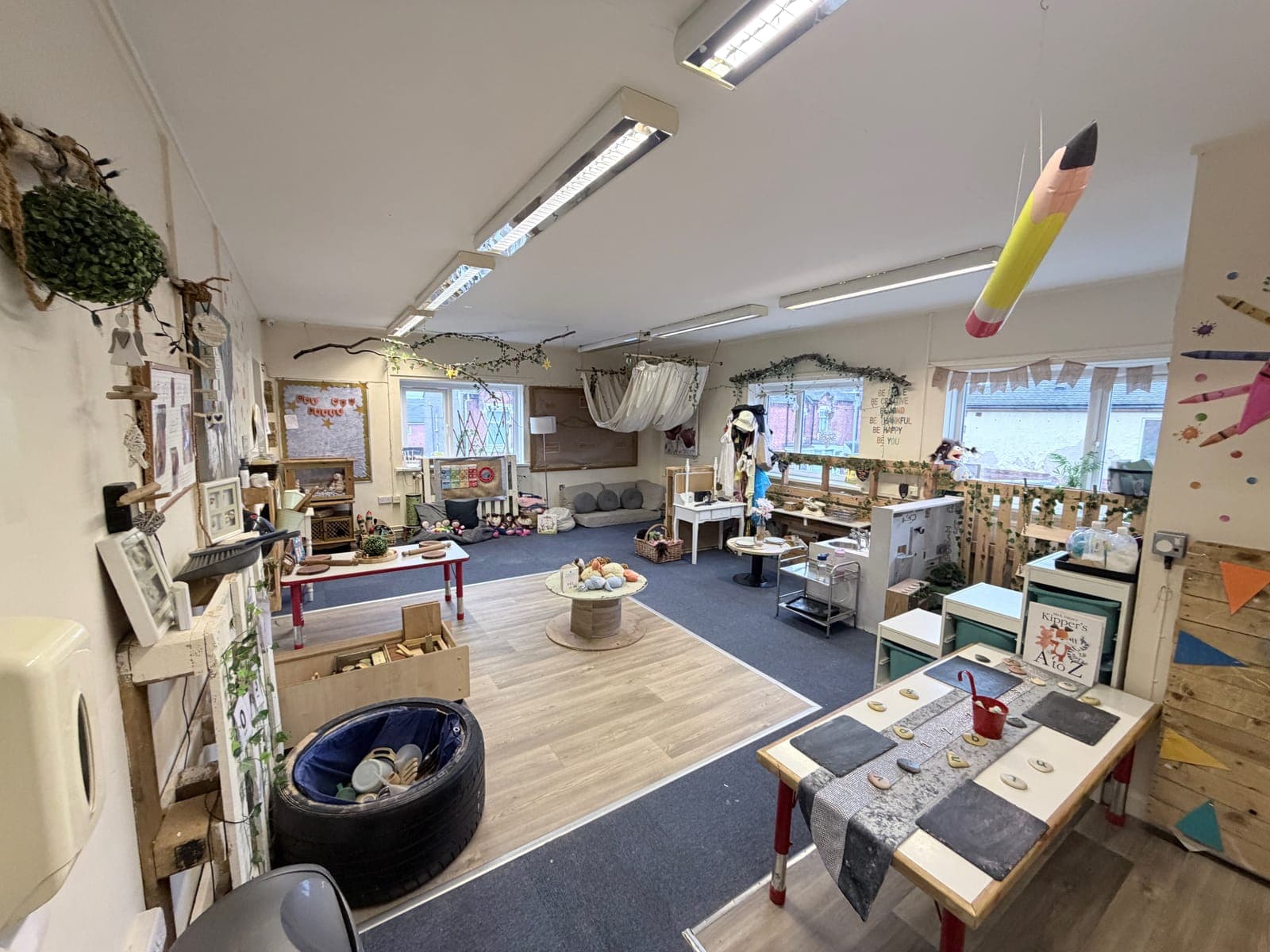
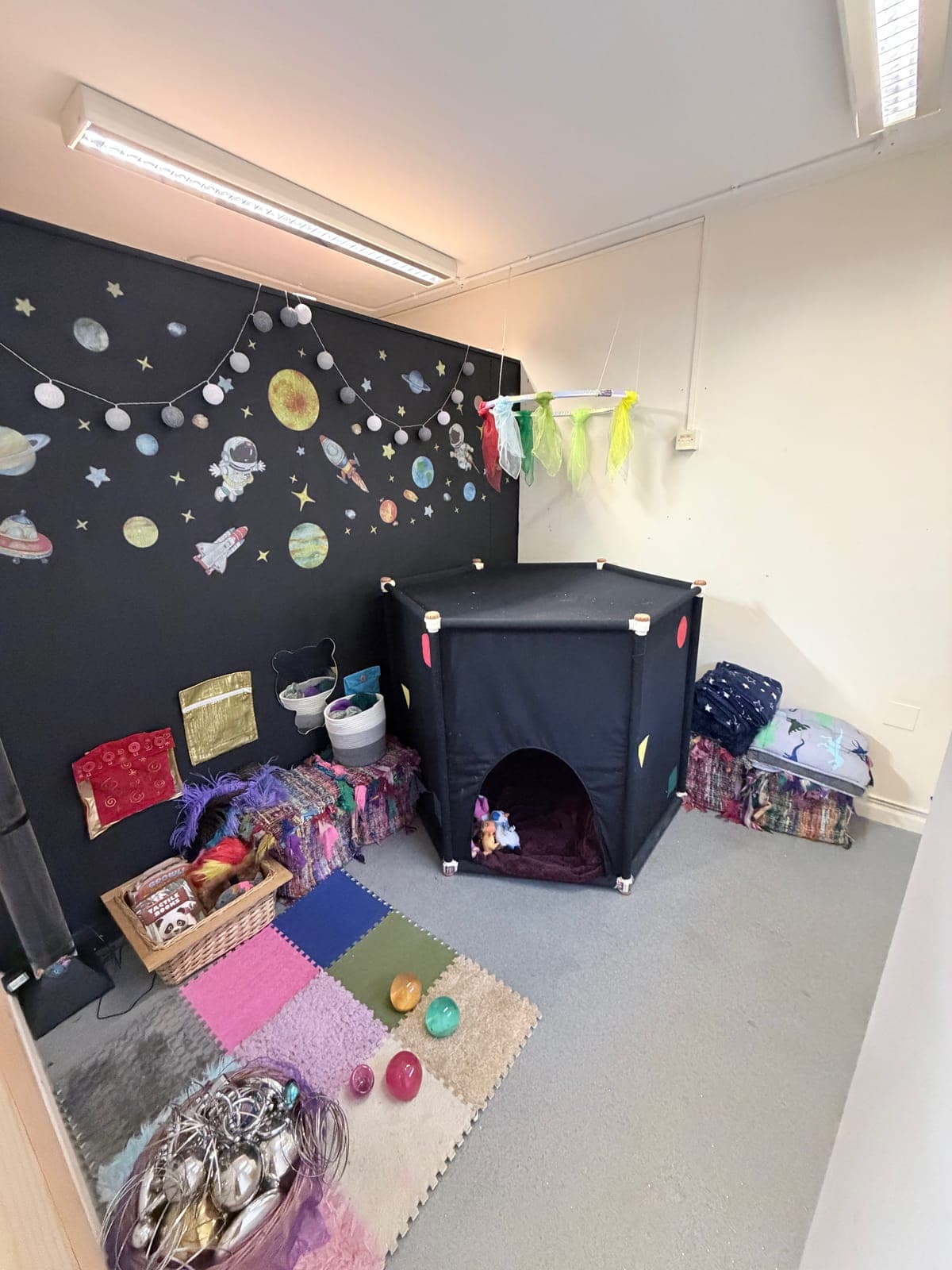
We have three dedicated nurture rooms with specialist staff and lower ratios, a sensory room, and a nurture garden, and we currently have space for up to 30 children with additional needs. Support is built around the individual child rather than delivered as a fixed programme, which is the whole point of the graduated approach.
We work alongside outside professionals where they are involved, contribute evidence where families are seeking an assessment, and try to be straight with parents about what we are seeing. Our post on the sensory resources in our nurture rooms gives a sense of the day to day provision.
If you are early in this process and would simply like to talk it through with someone who deals with it constantly, get in touch. You are also welcome to visit and see how we work before deciding anything.
This guide is general information about how the system works in England. It is not a substitute for advice about your individual child from your local authority, your health team, or an independent SEND advice service.
Frequently asked questions
Does my child need a diagnosis to get support at nursery?
No. Most extra help in the early years is provided through SEN Support, which happens at setting level without a diagnosis, a formal assessment or a plan from the council. If a nursery says it can do nothing without a diagnosis, that is not how the system is intended to work.
Who can request an EHC needs assessment?
Anyone who thinks an assessment may be necessary, including parents, doctors, health visitors and teachers. A young person aged 16 to 25 can request one themselves. You do not need the nursery to make the request, though its supporting evidence helps.
How long does an EHC plan take?
Your local authority will tell you within 16 weeks whether a plan is going to be made, and it has 20 weeks from receiving the assessment request to give you the final EHC plan. These are statutory limits rather than targets.
What is the Local Offer?
It is the information every local authority must publish about the support available locally for children and young people with special educational needs and disabilities, covering education, health and care. Search for "Local Offer" alongside your council name to find it.
What is the difference between the key person and the SENCO?
Your key person is the named member of staff who knows your child day to day and is who you speak to about the everyday. The SENCO coordinates additional support across the setting, keeps the assess, plan, do, review cycle moving, and liaises with outside professionals.
Interested in Busy Bugs?
Come and see us in person. We love showing families around the nursery.
Get in Touch